
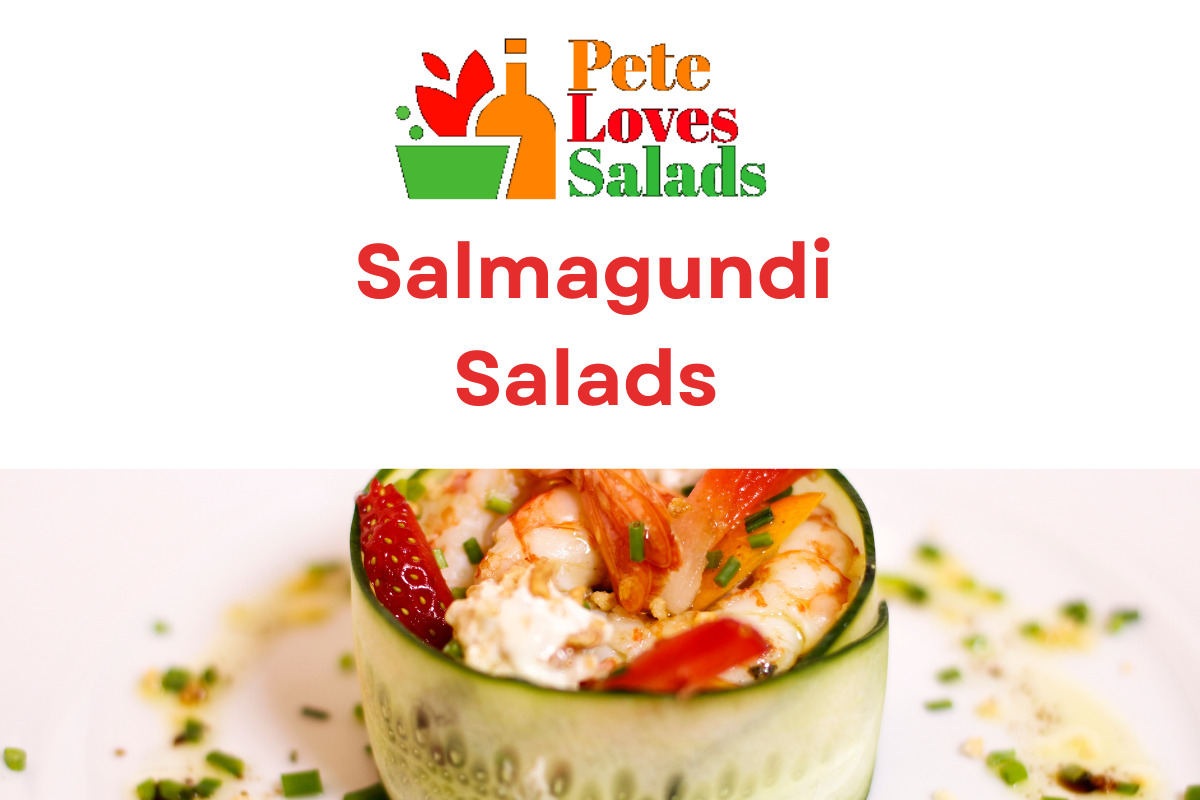
Salmagundi, a culinary chameleon with roots deeply embedded in history, is a salad that defies categorization. This vibrant dish, often described as a ‘hodgepodge’ or ‘mixture,’ has delighted palates for centuries, its popularity fueled by its versatility and adaptability. The name itself, a playful blend of the Italian ‘salmagundi’ and the French ‘salmigondis,’ hints at its origins as a truly international dish, reflecting a fusion of culinary traditions.
Key Ingredients
The foundation of salmagundi lies in its eclectic mix of ingredients. The core components typically include:
Vegetables: A medley of fresh, crisp vegetables like potatoes, carrots, celery, and sometimes, a touch of onions, provides the foundation.
Meat: The protein punch comes from various sources – ham, chicken, beef, or even cured meats like salami and bologna.
Cheese: Adding a creamy and tangy element, cheese like cheddar, Swiss, or even crumbled blue cheese adds depth and complexity.
Eggs: Hard-boiled eggs, chopped or sliced, contribute a protein boost and a delightful textural element.
Dressing:*The choice of dressing can make or break a salmagundi. Traditional options include mayonnaise, vinaigrette, or even a combination of both, creating a creamy and flavorful base.
Variations
The beauty of salmagundi lies in its endless variations, reflecting regional and cultural influences:
Regional Variations: American salmagundi often leans towards a mayonnaise-based dressing, while French versions might feature a vinaigrette with a touch of mustard. German salmagundi often incorporates fermented sausages like bratwurst.
Meat and Vegetable Options: From the hearty combinations of smoked ham, boiled potatoes, and cheddar, to lighter variations with grilled chicken, roasted vegetables, and goat cheese, the possibilities are endless.
Dressing Flavors: The dressing is the key to customizing the taste. A creamy mayonnaise dressing with a touch of lemon juice is classic, while a tangy balsamic vinaigrette with herbs can add a sophisticated touch.
Nutritional Value
Salmagundi is not just a delicious concoction but also a nutritionally balanced dish. Its mix of vegetables, protein, and healthy fats contributes to a well-rounded meal, providing:
Vitamins and Minerals: The abundance of vegetables delivers essential vitamins, minerals, and fiber crucial for overall health.
Protein: The meat and eggs provide high-quality protein, necessary for muscle growth and repair.
Healthy Fats: The dressing, whether mayonnaise or vinaigrette, supplies healthy fats crucial for hormone production and brain function
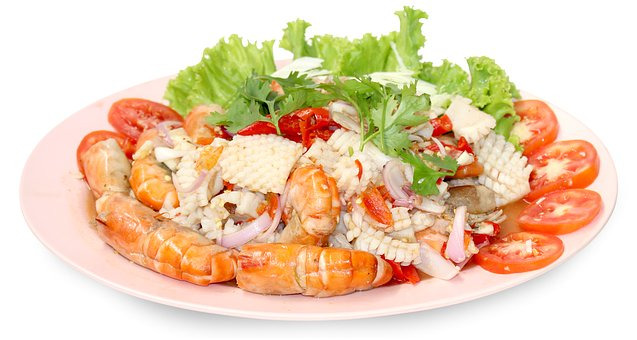
Preparing Salmagundi Salad
Creating a perfect salmagundi is a simple yet rewarding process:
1. Prepare the Vegetables: Boil potatoes, carrots, and celery until tender. Allow them to cool completely before chopping them into bite-sized pieces.
2. Cook the Meat: Boil or roast the chosen protein, depending on the type, until cooked through. Slice or dice the meat into manageable pieces.
3. Prepare the Eggs: Hard-boil the eggs until the yolk is firm. Peel and chop or slice them as desired.
4. Assemble the Salad: Combine all the prepared ingredients in a large bowl. Add the chosen dressing and gently toss to coat evenly.
5. Chill and Serve: Refrigerate for at least an hour before serving to allow the flavors to meld.
Serving Suggestions
Salmagundi’s versatility extends to its presentation:
Main Course: A generous portion with a side of crusty bread can make a satisfying main course.
Side Dish: A smaller portion complements grilled meats, roasted poultry, or even hearty soups.
Appetizer: Serve on individual plates with crackers or bread slices for a delightful appetizer.
Presentation Ideas
Elevate the visual appeal of your salmagundi:
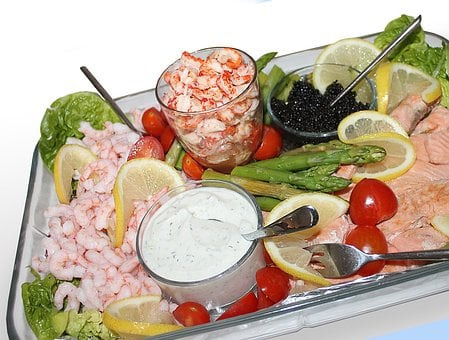
Layered Presentation: Arrange the ingredients in alternating layers in a glass bowl or individual ramekins for a stunning visual effect.
Garnishing: Enhance the salad’s appearance with fresh herbs like parsley, chives, or dill, or a sprinkle of chopped walnuts or toasted bread crumbs.
Recipe Adaptations
Salmagundi is a blank canvas for culinary creativity:
Vegetarian/Vegan Variations: Replace meat with chickpeas, lentils, or tofu, and opt for a plant-based dressing or nut-based mayonnaise substitute.
Gluten-Free/Low-Carb: Use gluten-free bread for serving or omit bread altogether. Replace potatoes with cauliflower rice for a low-carb option.
Personal Preferences: Adjust the ingredients to suit individual tastes and dietary needs.
Ancestors In Aprons
- Romaine Lettuce
- Cooked Skinless Chicken
- Chicken Thighs
- Lemon
- Hard Boiled Eggs
- Anchoives
- Grapes

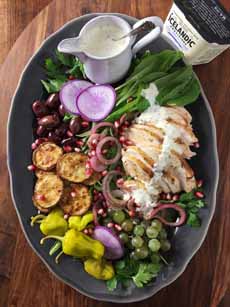
The Nibble
- Red onions
- Chicken
- Potato Crisps
- Romaine Lettuce
- Radishes
- Pepperoncini
- Olives
- Grapes
Fresh Quinoa and Berry Salmagundi Salad
- Raspberries
- Blueberries
- Blackberries
- Quinoa
- Shalllot
- Lemon
- Fresh Basil

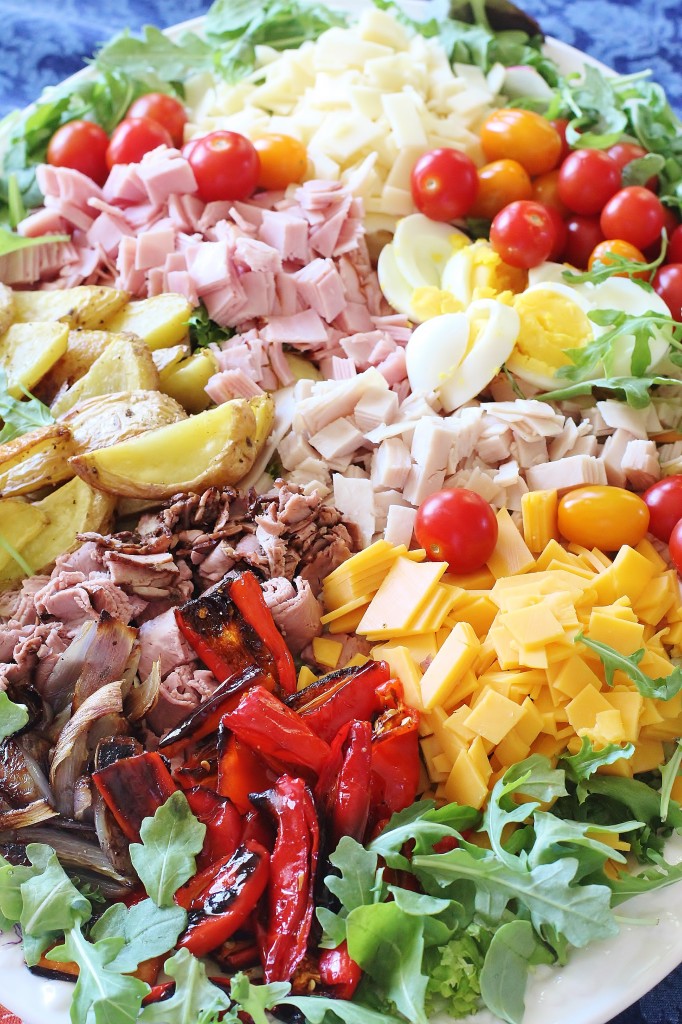
My Favorite : Syrup and Biscuits
- Red Peppers
- Shallots
- Olive oil
- Seasoning
- Salad Green
- Turkey
- Roast Beef
- Ham
- Swiss Cheese
- Cheddar Cheese
- Cherry tomatoes
- Boiled eggs
Historical and Cultural Significance
Salmagundi’s history spans centuries, reflecting its importance in various cultures:
Europe: The origins of the dish are often traced back to 17th-century England. Salmagundi quickly gained popularity, even finding mention in literary works of the time.
North America: It arrived in North America with European settlers and became a staple in colonial kitchens. The dish’s versatility made it a popular choice during times of scarcity.
Conclusion
Salmagundi, a testament to culinary creativity and adaptability, continues to hold a special place in the world of food. From its humble beginnings as a simple dish born of necessity to its evolution into a culinary masterpiece, salmagundi offers endless possibilities for flavor and presentation. Its historical significance and enduring popularity ensure that this versatile salad will continue to delight palates for generations to come.